









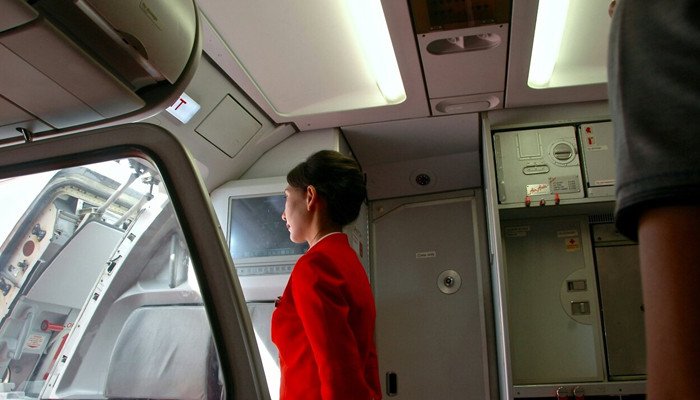
A new study has revealed that aircrew, particularly pilots and flight attendants, may have a higher risk of radiation-related cancer than other occupations.
The research, led by Dr. Vishal Patel of Harvard Medical School, was published in the American medical journal JAMA Internal Medicine.
The study examined more than 12.7 million death certificates issued in the United States between 2020 and 2024, including 503 people from different occupations.
According to the study, flight attendants were about 50 percent more likely to die from radiation-related cancer than the general working population, while the rate was 36 percent higher among pilots.
According to the data, about 6.9 percent of flight attendant deaths were due to radiation-related cancer, or about 1 in every 14 deaths. Among pilots, the rate was 6.7 percent, higher than nuclear technologists, who ranked 12th on the list and are occupationally exposed to radiation.
The study looked at cancers known to be linked to radiation, including breast cancer, prostate cancer, melanoma and certain types of leukemia, but did not observe abnormally high deaths from cancers other than those among aircrew.
According to experts, commercial aircraft usually fly above 30,000 feet, where the protective layer of the atmosphere is relatively thin, so passengers and crew are exposed to more cosmic radiation than at ground level.
According to research, the average passenger who makes about 10 round-trip flights across the US annually is exposed to about 0.4 millisieverts of radiation, while airline crews may experience higher exposures due to frequent flights.
The US Federal Aviation Administration (FAA) considers aircrew to be occupationally exposed to ionizing radiation, but there is no federal requirement to monitor or set mandatory radiation dose limits for pilots and flight attendants in the US.
In contrast, there are some radiation protection restrictions for nuclear workers and aircrew in Europe.
According to research and expert recommendations, aircrew should have annual skin exams, while starting mammograms at an earlier age for female flight attendants and pilots may also be considered.