
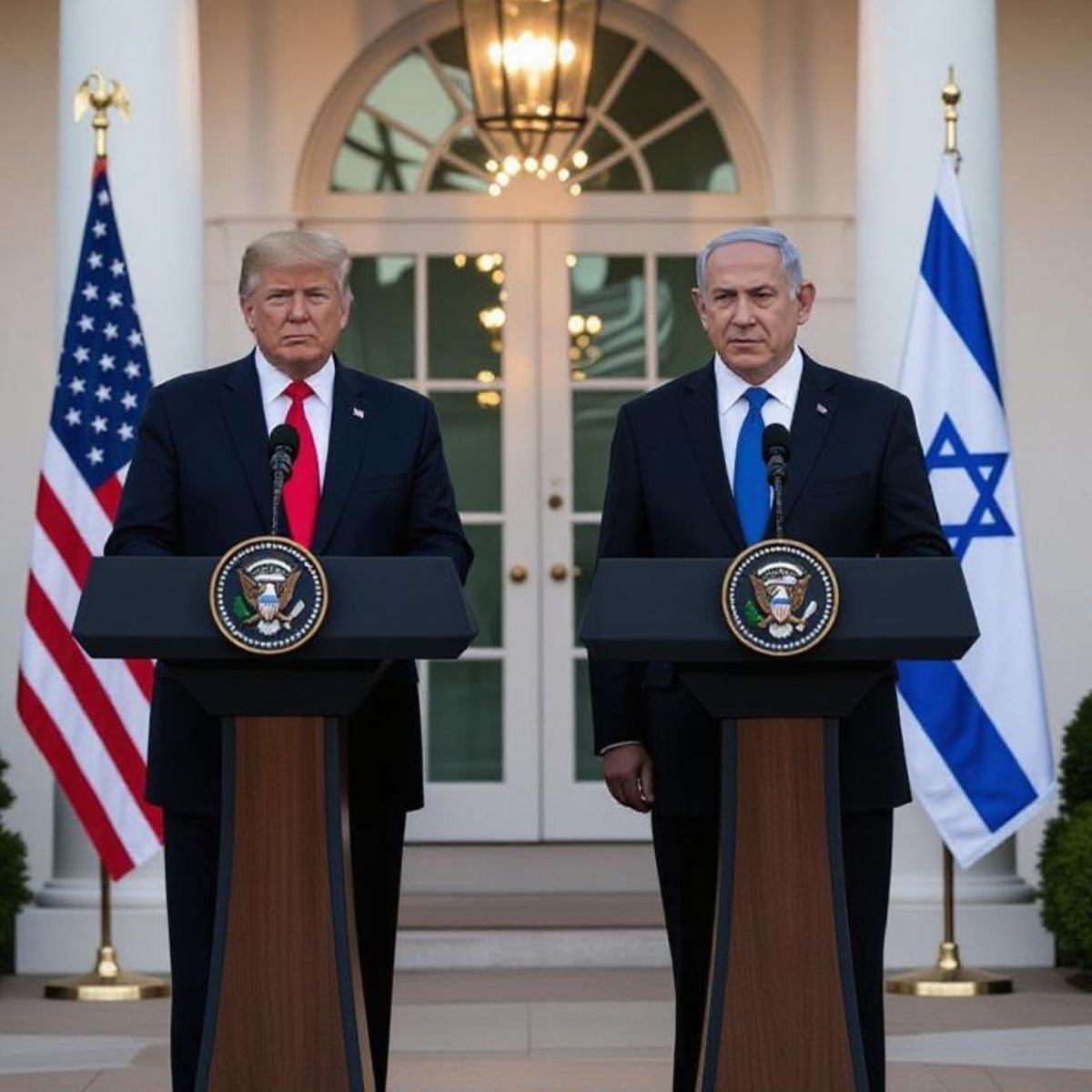

Sept 29 (Finexnews) — President Donald Trump’s proposed Gaza peace plan, backed by Israeli Prime Minister Benjamin Netanyahu but still awaiting a response from Hamas, carries significant implications for U.S. businesses ranging from energy to defense and reconstruction.
A ceasefire could calm regional tensions, easing volatility in global oil and gas markets. Lower energy price swings would directly benefit U.S. industries and consumers, offering relief for transportation, manufacturing, and agriculture sectors sensitive to fuel costs.
At the same time, American defense contractors are positioned to gain regardless of the outcome. A sustained truce would likely involve U.S.-supplied security assistance and training for international stabilization forces. A collapse of the talks would ensure continued Israeli demand for U.S. weapons systems and munitions, prolonging lucrative defense ties.
The plan also opens the door to reconstruction opportunities. Gaza’s rebuilding, expected to require billions in aid, could create contracts for U.S. firms in engineering, construction, and digital infrastructure. Companies specializing in water, energy, and housing systems are seen as potential beneficiaries.
Diplomatically, Washington’s central role in brokering a deal could strengthen trade and investment ties with Arab and Gulf states. For American businesses, that may translate into expanded access to infrastructure projects and technology partnerships in the region.
But risks remain. A breakdown in talks could sustain instability, driving up shipping insurance costs and deterring U.S. corporate investment in Middle Eastern markets. Prolonged conflict could also expose U.S. firms with regional operations to reputational and political pressures.
Bottom Line:
Trump’s peace initiative represents a high-stakes gamble with direct business consequences. A breakthrough could deliver stability and fresh commercial opportunities for U.S. firms, while failure risks keeping energy markets volatile and prolonging uncertainty for investors.
