
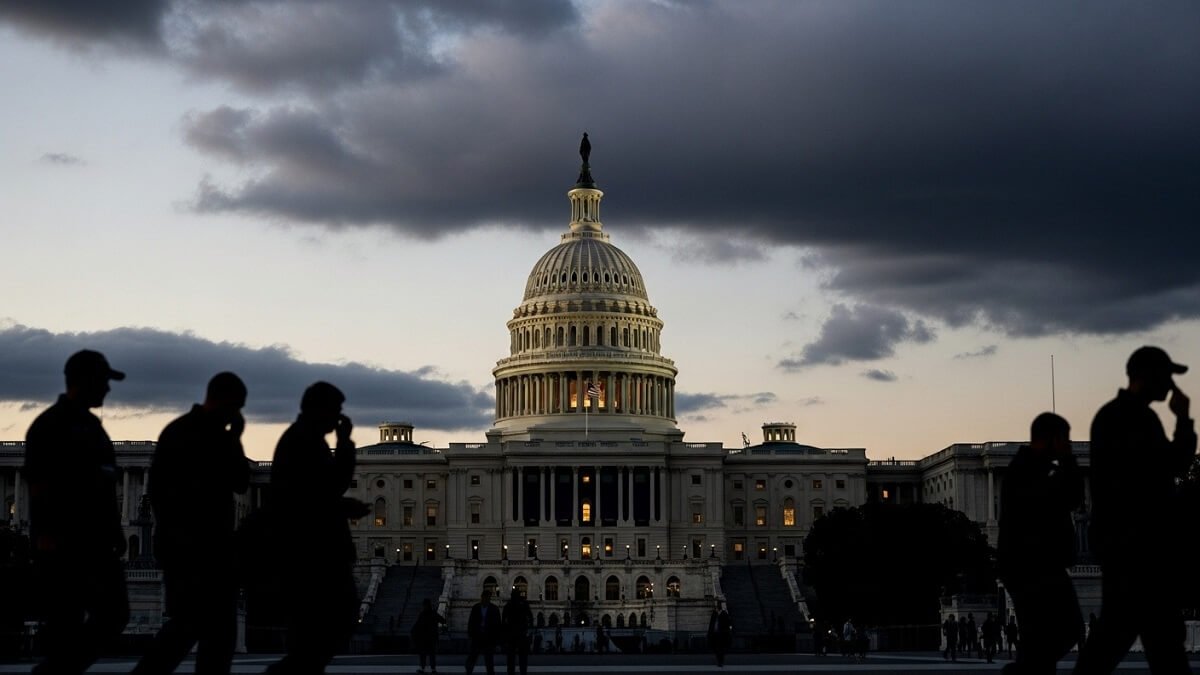

Washington, D.C. — The U.S. government entered a partial shutdown on Wednesday after lawmakers failed to strike a funding deal, underscoring the deep partisan divisions paralyzing Washington.
This marks the 15th government shutdown since 1981, with no clear path toward resolution. Federal agencies warned of broad consequences: the suspension of the closely watched September employment report, disruptions in air travel, delays to scientific research, and withheld pay for U.S. military personnel. Roughly 750,000 federal employees are expected to be furloughed, at an estimated daily cost of $400 million.
At the center of the standoff are sharp disagreements between Republicans and Democrats over federal spending priorities. Republican leaders have pushed for steep cuts to domestic programs and tighter limits on future spending, while Democrats — backed by the White House — argue that such measures would undermine critical services and weaken the economy.
President Joe Biden urged lawmakers to reach a compromise, warning that a prolonged shutdown would hurt working families, federal employees, and the broader economy. Republican leaders, however, signaled that they were unwilling to move without major concessions, particularly on social and environmental programs they view as excessive.
With both sides entrenched, pressure is mounting on Congress to act quickly. Economists caution that an extended shutdown could erode public confidence, slow economic growth, and inject further instability into already fragile markets.
Explainer: What Shuts Down and What Stays Open
When Congress fails to pass a funding bill, federal agencies must halt or scale back operations. The current shutdown is no exception. Here’s what the public can expect:
What Shuts Down:
- Federal Workers: About 750,000 employees face furloughs, losing daily pay.
- Data Releases: Key economic reports, including the September jobs report, will be delayed.
- Research: Many federally funded scientific and medical projects are suspended.
- National Parks and Museums: Most will close or operate on reduced staffing.
- Government Services: Processing of visas, passports, and permits slows significantly.
What Stays Open:
- Military & National Security: U.S. troops continue operations, though paychecks may be delayed.
- Air Travel Security: TSA screeners and air traffic controllers remain on duty, but expect longer wait times.
- Postal Service: Mail delivery is unaffected, as the Postal Service is independently funded.
- Medicare & Social Security: Benefits continue, though customer service lines may face delays.
The longer the shutdown lasts, the greater the disruption — with ripple effects felt by families, businesses, and the broader U.S. economy.
