









Scientists have claimed that humans were using mind-altering drugs as early as 25,000 years ago, long before agriculture, cities and written language existed.
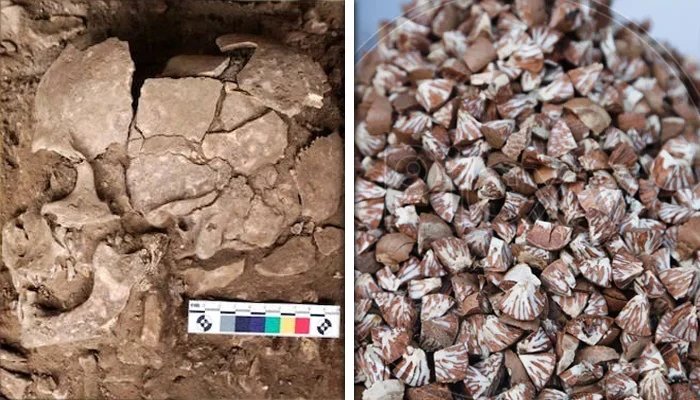
According to research, evidence of using narcotic substances has been found in the teeth of ancient hunter-gatherers in the Indonesian island of Sulawesi.
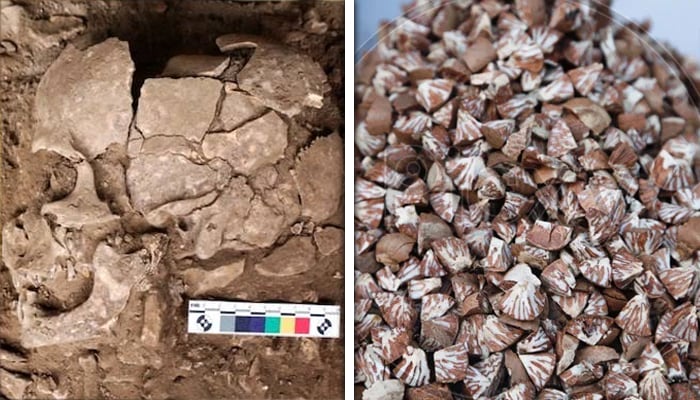
Researchers believe that ancient humans regularly consumed chalaya, which is derived from the seeds of the areca palm and contains a psychoactive chemical called areculin.
The research began when experts discovered unusually deep and rounded teeth marks in the teeth of two individuals, one living approximately 16,000 to 25,000 years ago and the other approximately 6,300 to 7,600 years ago.
According to the scientists, such marks could have been formed on the teeth by constantly holding and sucking on a hard and round object, while chala seemed to be suitable for this purpose.
Later chemical analysis of the ancient teeth also revealed the presence of arecoline, the main narcotic component in the bark.
The researchers soaked whole blisters in artificial saliva during the experiment and found that even just sucking them released areculin, which can affect specific receptors in the human brain.
According to experts, the effect of the blister is not very severe, but it can cause mild euphoria, alertness and a feeling of tingling in the mouth.
However, constant sucking on hard gums caused further damage to the teeth, possibly leading to a cycle in which people used more gums to ease the pain caused by the habit.
According to research published in Science Advances, the discovery takes direct evidence of regular use of mind-altering plants back thousands of years.