








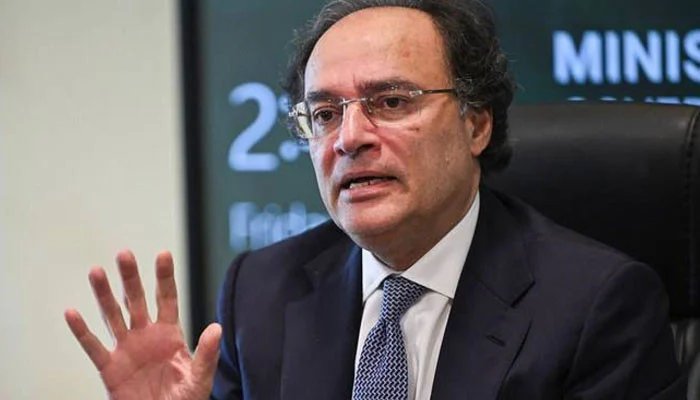
Islamabad (Commerce Reporter) Federal Minister of Finance Senator Muhammad Aurangzeb has said that marches, sit-ins and strikes can affect the economic development journey. are, the foreign exchange reserves have reached the highest level of the country, the fiscal deficit has reduced significantly, the expenditure is being reduced, the current account is in surplus, there is a trend of continuous increase in remittances, the export sector is also moving in the right direction, the number of investors in the Pakistan stock market has increased, unfortunately everyone is affected by the situation in the Middle East, it is hoped that the journey of economic development will improve further, protests, sit-ins and Strikes are not the solution to the problems, dialogue is the best and proper way. He expressed these views while talking to the media on Sunday. He said that we have experienced this in the past and according to the estimate that we have made in view of the current conditions, it will cause a loss of about 120 billion rupees per day to the national economy. In terms of sectors, the services sector will be the most affected. The sectors of financial services, communication services, transport, retail, wholesale and hospitality are expected to suffer a loss of about 86 billion rupees per day. In the same way, when we talk about the industrial sector, it can cause a daily loss of about 25 billion rupees to the sector, while construction, raw materials, supply chain can cause a loss of about 9 billion rupees, which includes transportation, perishable products, dairy products, agricultural supply chain, it is feared that the national economy will lose about 120 billion rupees per day. Reached $21.4 billion, the fiscal deficit has come down to 2.6 from the highest single digit in national history and revenue has increased, we are doing our best to reduce expenditure, current account performance has improved significantly. He said that after 14 years the current account surplus came, last year our account was equal. The finance minister said that there is a trend of continuous increase in our IT exports, in the last fiscal year, exports were 4.6 billion dollars and this year, God willing, it will increase to 5.5 billion dollars. Large-scale manufacturing is a significant part of the sector’s performance. The finance minister said that the national exports are growing on a monthly and yearly basis. He said that at present the national economy is moving in the right direction, apart from manufacturing, the business index numbers are also going up and if you see the indication in the stock exchange, our investors have increased, especially the number of young people has increased. He said that there were 11 IPOs in the last financial year while five have been done in the last two months, this means that companies are trying to expand their business and will do so and therefore they are raising equity or they are setting up new units, all these figures are positive. Referring to the economic challenges, the finance minister said that there are some difficulties, the world is being affected by the conflict in the Middle East, but our prime minister and the CDF are trying their best to make it possible to return to the Islamabad MoU and end the conflict. He said that due to the conflict, there is a burden on the prices of petroleum products and businessmen and women know very well that problems have arisen in trade at this time, because of the conflict, business costs, insurance and rents have also increased.