
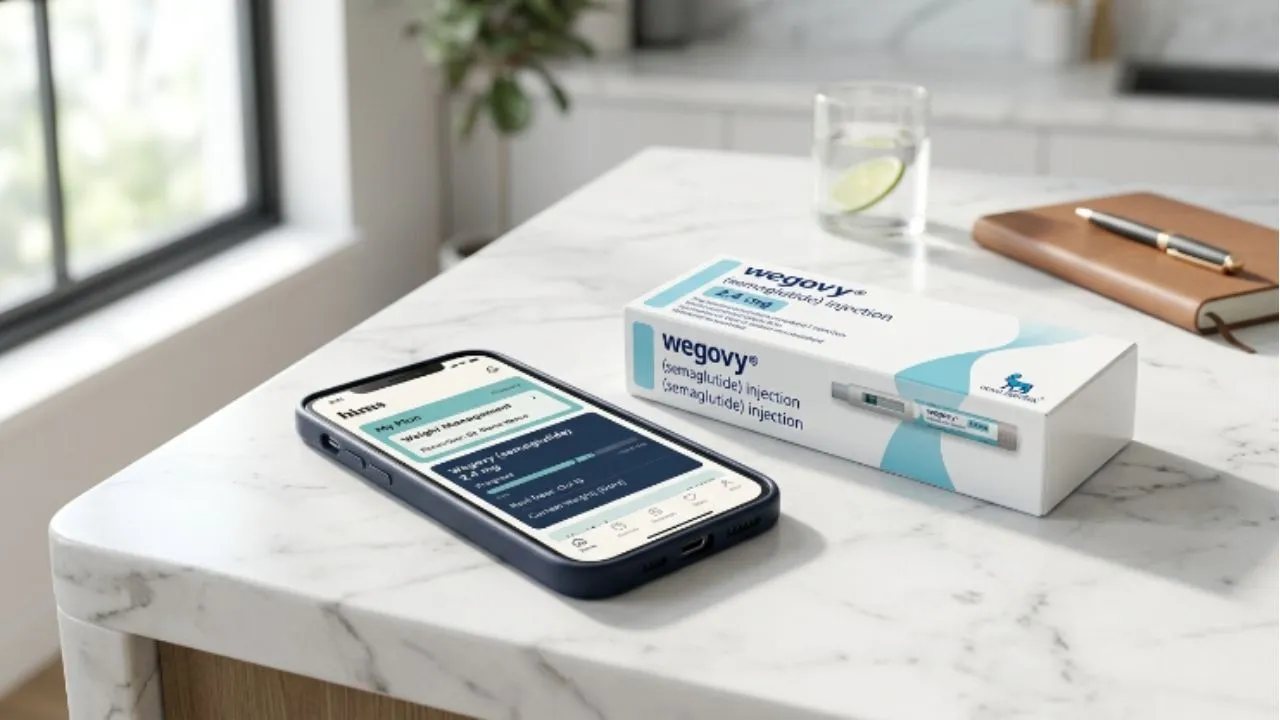

SAN FRANCISCO, Calif. — Hims & Hers Health, Inc. (NYSE: HIMS) announced a strategic partnership with Novo Nordisk on Monday, reversing its prior stance. The deal ends a months-long legal battle over so-called “copycat” weight-loss drugs—compounded medications similar to patented ones. It also signals a major shift in how the telehealth company will provide GLP-1 treatments, a drug class used for weight loss and diabetes, to millions of Americans.
Investors reacted with immediate euphoria. Following the news, Hims’ stock skyrocketed more than 44% in Monday trading. It surged from a Friday close of $15.88 to an intraday high of over $23.00. The rally marks a significant recovery. The company’s valuation had been pressured by regulatory scrutiny and patent infringement lawsuits earlier this year.
A New Chapter for Weight Loss Care
The collaboration resolves a high-stakes dispute that peaked in February 2026, when Novo Nordisk sued Hims for marketing compounded versions—customized formulations made by pharmacies—of its blockbuster obesity medications. Under the new agreement, Novo Nordisk has dismissed its lawsuit without prejudice, and Hims will pivot its business model to focus on FDA-approved, branded medications.
Starting later this month, the Hims & Hers platform will officially offer:
- Wegovy® (semaglutide): Available in both traditional injections and the newly launched 1.5 mg to 25 mg tablets.
- Ozempic® (semaglutide): Injectable doses of 0.5 mg, 1 mg, and 2 mg.
“We see tremendous growth opportunities in the U.S. with this expanding assortment of branded GLP-1 medications,” said Andrew Dudum, co-founder and CEO of Hims & Hers. “I am excited to have a partner in Novo Nordisk as we work to create a new model that works for everyday people.”
Phasing Out Compound Marketing
As part of the strategic shift, Hims will immediately cease advertising for compounded GLP-1 offerings. While the company will still provide compounded semaglutide—custom pharmacy-made versions—on a “limited scale” for patients whose clinical needs cannot be met by branded versions, the primary focus will be transitioning existing customers to FDA-approved therapies.
This “pivot to legitimacy” is viewed by Wall Street analysts as a critical move to de-risk the company’s long-term growth. By aligning with the world’s leading drugmakers, Hims is moving away from the controversial “gray market” of compounding—an area outside traditional pharmaceutical channels—and establishing itself as a pillar of mainstream institutional healthcare.
Follow-up Analysis: The “Legitimacy Pivot” and the Future of Telehealth
The deal between Hims and Novo Nordisk is more than just a corporate settlement; it represents a fundamental restructuring of the telehealth industry. For years, direct-to-consumer (DTC) health platforms—online healthcare services that sell directly to patients—operated in a regulatory gray area by using compounding pharmacies to offer cheaper, generic versions of patented drugs during shortages.
1. The Death of the “Copycat” Model
Last week, the FDA issued warning letters to 30 telehealth firms for misleading claims regarding compounded GLP-1s. By striking this deal, Hims has successfully jumped ship. Other telehealth providers who rely solely on compounded “knockoffs” now face a grim choice: partner with Big Pharma or face aggressive litigation and federal crackdowns.
2. From Disruptors to Distributors
This partnership proves that pharmaceutical giants like Novo Nordisk and Eli Lilly no longer see telehealth as an enemy. Instead, they now view it as a vital distribution channel. Hims has a massive, tech-savvy subscriber base that traditional pharmacies struggle to reach. By integrating Wegovy directly into the Hims app, Novo Nordisk gains a frictionless sales engine. Hims earns the “gold stamp” of FDA approval.
3. Margin Compression vs. Volume Growth
Analysts note that while branded drugs offer lower profit margins for Hims than compounded versions, the sheer volume of the “branded” market is significantly larger. With the Hims stock surge, the market is betting that “legitimacy” will attract millions of more cautious consumers who were previously wary of compounded alternatives.
