









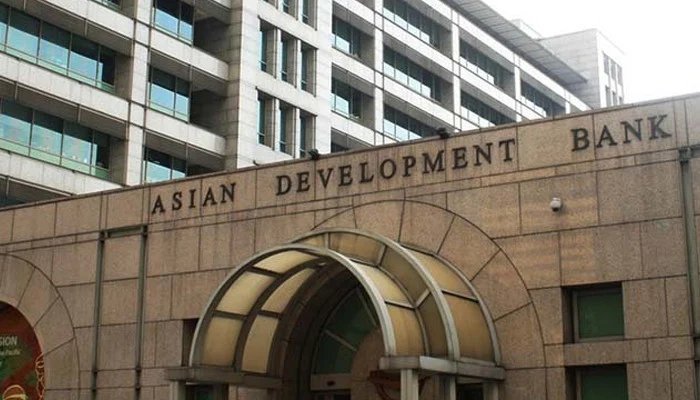
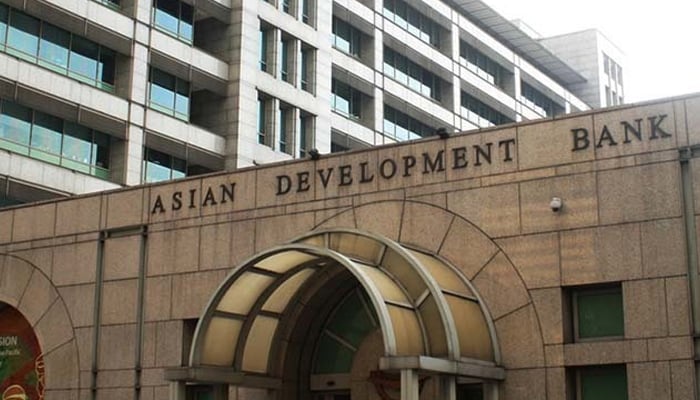
The Asian Development Bank has released a report on the economic situation of Pakistan.
According to the report, continuous reforms and strong foreign exchange reserves are supporting Pakistan’s economic landscape, while Pakistan’s economic performance has steadily improved in the last fiscal year.
According to the report, Pakistan’s growth rate increased from 3.2 percent in FY2025 to 3.7 percent in FY2026.
According to ADB, Pakistan’s GDP growth is expected to remain at 3.7 percent in fiscal 2027, hailed by economic reforms, strong foreign exchange reserves and re-access to international capital markets.
According to the report, an improvement in sovereign credit ratings is expected to boost private investment, but expensive energy and external uncertainty may limit the acceleration in growth.
The report states that while Pakistan’s economy has made progress in strengthening economic stability over the past two years, sustaining reforms and promoting private investment are critical for inclusive economic growth.
According to ADB, economic growth was boosted by expansion in the manufacturing and services sectors in fiscal year 2026, while the agriculture sector grew by 2.9 percent despite the floods, private investment recorded an 8.6 percent increase due to lower interest rates and improved business confidence.
According to the report, financial stabilization continued during fiscal year 2026 and gross international foreign exchange reserves increased, strengthening external resilience.
According to ADB, S&P upgraded Pakistan’s rating in July 2026, while Moody’s upgraded Pakistan’s rating in August 2026 due to improved macroeconomic stability and strong external reserves.
According to the report, Pakistan also regained access to international capital markets through the issuance of Eurobonds and Panda Bonds in April and May 2026.
ADB has stated that the average inflation in the fiscal year 2026 was 7.1 percent, which was 4.5 percent in the fiscal year 2025. In the fiscal year 2027, the average inflation is likely to increase to 8.3 percent.
The report warned that an escalation in the Middle East conflict could push up inflation by raising the cost of energy imports, while remittances could also be affected if Gulf economies are affected by the war.
According to the report, government austerity measures could weigh on domestic demand and economic activity, while tightening global financial conditions, declining tax revenues, agricultural losses from climate change and delays in energy reforms are also threats to economic growth.
ADB has said that continued implementation of reforms is critical to strengthening financial and external stability and maintaining investor confidence.