

CARACAS, Venezuela — In the predawn darkness of January 3, 2026, the geopolitical map of the Western Hemisphere was forcibly redrawn. Under the cover of a total blackout in the Venezuelan capital, United States special operations forces executed Operation Absolute Resolve, a high-stakes “decapitation strike” that resulted in the capture of President Nicolás Maduro and his wife, Cilia Flores.
The mission, authorized by President Donald Trump, marks the most significant American military intervention in Latin America since the 1989 removal of Manuel Noriega. Within hours of the first explosion, Maduro was airborne, bound for a federal detention facility in New York City to face narco-terrorism charges.
What Happened: 180 Minutes in Caracas
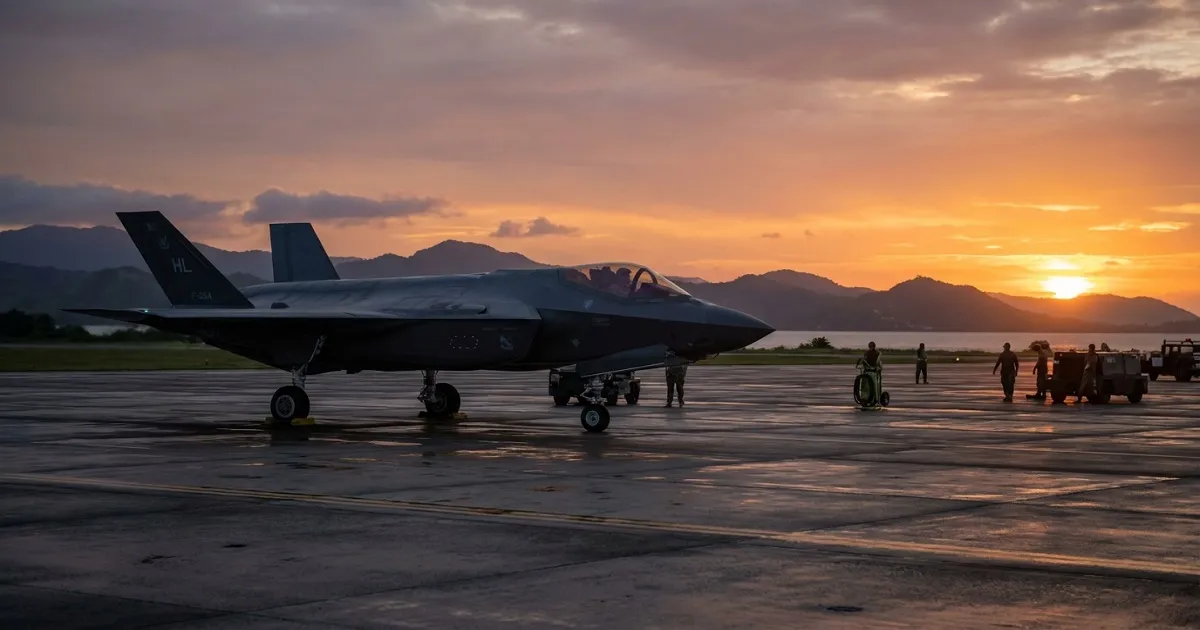
The assault began at approximately 2:01 a.m. local time on January 3. While the world slept, a massive armada of over 150 U.S. aircraft—including F-22 Raptors and F-35 Lightnings—saturated the skies over northern Venezuela. Their mission: a comprehensive Suppression of Enemy Air Defenses (SEAD) that effectively blinded Venezuela’s Russian-made S-300VM missile batteries.
Simultaneously, elite Delta Force operators, supported by the 160th Special Operations Aviation Regiment (the “Night Stalkers”), descended on Maduro’s fortified compound. Eyewitnesses reported a series of precise explosions followed by a brief but intense gunbattle with the Presidential Guard and Cuban security forces. By 4:29 a.m., the “high-value target” was secured.
President Trump later alluded to the use of classified technology during the raid, referring to a “discombobulator” weapon that reportedly rendered Venezuelan and Russian defensive systems useless. “We pressed buttons and nothing worked for them,” Trump told reporters. “We have weapons nobody else knows about.”
Why It Matters in the US
For the American public, Operation Absolute Resolve is being framed not as a war of aggression, but as a “law enforcement action” with massive economic and security implications. The White House pointed to Maduro’s federal indictment on charges of flooding the U.S. with cocaine as the legal bedrock for the mission.
The domestic impact as of late February 2026 includes:
- Energy Security: Secretary of Energy Chris Wright confirmed in February that sales of Venezuelan oil have already reached over $1 billion since the capture, with $5 billion expected in the coming months.
- Gas Prices: Analysts predict that the reopening of Venezuelan oil fields to American firms could lead to significant stabilization of U.S. energy costs throughout 2026.
- Deterrence: Defense Secretary Pete Hegseth noted in a January cabinet meeting that the raid reestablished the “deterrent effect” of the U.S. military globally.
Latest Updates and Trends
As Maduro awaits trial in the Southern District of New York—having already pleaded not guilty on January 5—several key trends have emerged:
1. The “Secret Tech” Debate The “discombobulator” has become a central point of discussion. While the Pentagon remains tight-lipped, defense experts suggest the term refers to advanced non-kinetic effects (NKE) or high-powered microwave (HPM) systems that can fry electronic circuitry. Reports from Caracas describe soldiers feeling “intense sound waves” and experiencing physical disorientation during the blackout.
2. Diplomatic and Legal Fallout The UN Security Council convened an emergency session in early January, where Russia and China condemned the “unilateral aggression.” Domestically, Secretary of State Marco Rubio has been a key figure in managing the transition, describing the current relationship with acting president Delcy Rodríguez as a “matter of practicality.”
3. Economic Integration The U.S. Treasury has issued several general licenses (GL 46, 47, and 49) permitting transactions involving Venezuelan oil and gas, effectively lifting the most restrictive sanctions to allow for immediate trade and reinvestment.
What Happens Next
The focus now shifts from the battlefield to the courtroom and the upcoming State of the Union address fallout. Maduro’s trial is expected to be a historic media spectacle, potentially unearthing decades of corruption and foreign interference.
In Venezuela, the transition remains fragile. While Delcy Rodríguez has been sworn in as acting president, the U.S. maintains that it will “run the country” alongside partners until a “safe and judicious transition” to elections can occur.
“The era of strategic patience is over,” a senior official stated. “Absolute Resolve isn’t just a name; it’s the new standard for U.S. operations in this hemisphere.”
