

NEW ORLEANS — In a landmark shift for the Gulf South’s energy landscape, Entergy announced Thursday that a series of high-profile deals with global tech titans will slash costs for millions of residents. By leveraging the massive power demands of new data centers, the utility provider has secured approximately $5 billion in total projected savings for 2.3 million customers across Arkansas, Louisiana, and Mississippi.
The announcement comes as the federal government and utility regulators grapple with the surging energy needs of artificial intelligence. While other regions of the country face potential rate hikes due to the AI boom, Entergy is implementing a “Fair Share Plus” framework designed to ensure that tech companies—not local households—shoulder the cost of grid expansion.
Breaking Down the $5 Billion Windfall
The savings are the result of multi-year agreements signed between 2024 and early 2026 with companies including Amazon Web Services (AWS), Meta, and Google. Under these contracts, the tech firms pay a premium to connect to the grid, effectively subsidizing infrastructure that benefits every customer.
- Mississippi: Residents are the biggest winners, with over $2 billion in projected savings. This includes a $300 million “Superpower Mississippi” initiative to modernize local power lines and reduce outages by 50%, funded entirely by industrial revenues from the new AWS campuses in Madison and Warren counties.
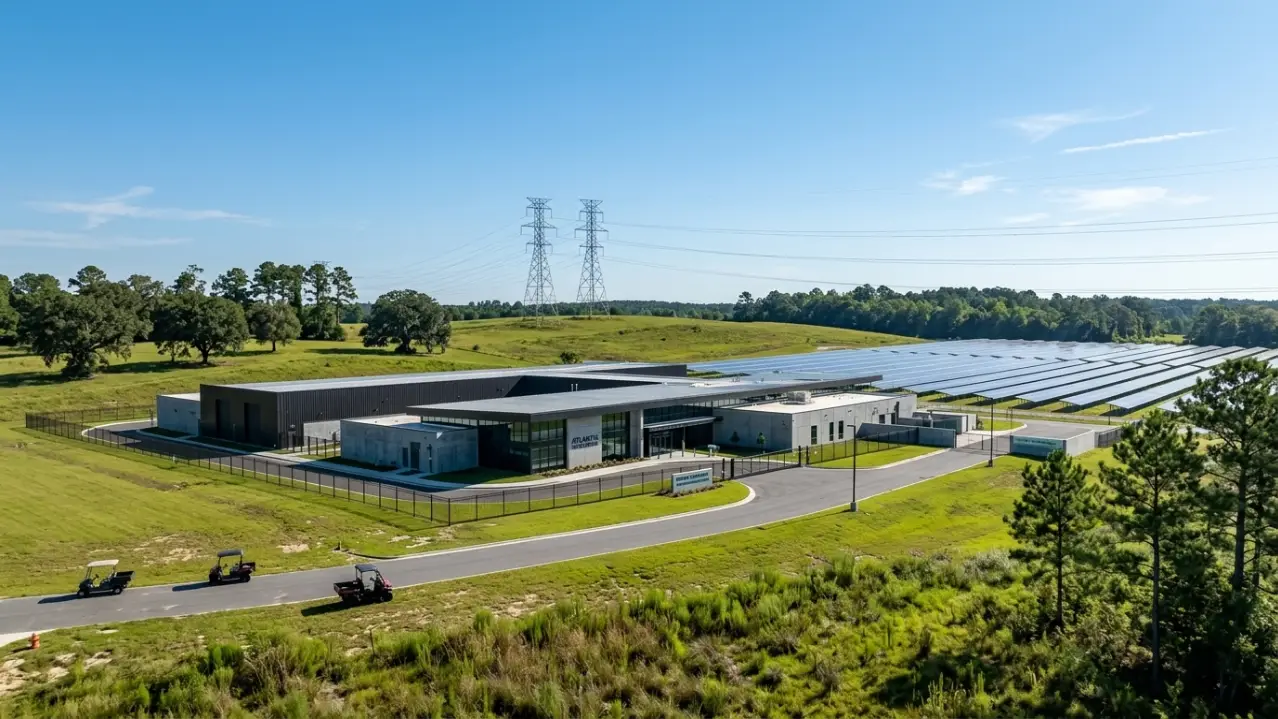
- Arkansas: Customers will see up to $1.7 billion in relief. This follows the recruitment of Google and Avaio Digital, with Google agreeing to support a massive 600-megawatt solar and battery facility that diversifies the state’s power portfolio at no extra cost to the public.
- Louisiana: Approximately $800 million in savings is earmarked for the Pelican State. Notably, a deal with Meta is expected to reduce storm recovery and grid resilience fees for local residents by 10%.
A Shield Against Rising Costs
The timing of these deals is critical for the region. Entergy is currently in the process of replacing aging, half-century-old power plants with more efficient units. Typically, the multi-billion-dollar cost of these upgrades would fall on the shoulders of residential ratepayers.
“We proactively worked with state leaders to recruit a new industry with power agreements that protect our existing customers,” said Drew Marsh, Entergy Chair and CEO. “Securing such relief right now is perfect timing for our residential and small commercial customers who are facing a rising cost environment.”
The utility’s strategy aligns with a newly unveiled national “Ratepayer Protection Pledge.” Under this model, large-scale data centers are required to “build, bring, or buy” their own generation resources and cover all transmission upgrades associated with their projects.
Economic Transformation Beyond the Bill
Beyond the direct impact on monthly electric bills, these data center projects represent a $47 billion total investment in the region. Local officials expect the influx of high-tech facilities to create thousands of specialized jobs and generate millions in new tax revenue for schools, roads, and hospitals.
While some consumer advocacy groups have voiced concerns over the long-term environmental footprint of such massive facilities, Entergy maintains that its “resource adequacy” plans ensure the grid remains reliable for every resident, regardless of the energy consumed by the tech sector.
