









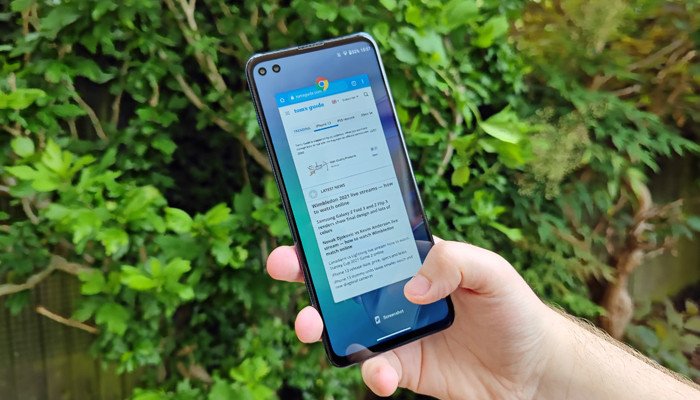
New research has revealed that taking a picture or screenshot of an information, image or important object to remember it can sometimes impair the ability to recall it later.
According to researchers from the Department of Psychology at Binghamton University in the US, people who visualize information may have a harder time remembering details than people who only see it.
The researchers termed this phenomenon the ‘phototaking impairment effect’, the study was published in the medical journal Memory and Cognition.
According to research, saving a photo on the phone does not necessarily strengthen the memory.
Experts say that after taking a picture, if it is not looked at again, the chances of forgetting the details in it can increase.
According to Sophia Fabrizio, the lead author of the study and a doctoral student at Binghamton University, people who take pictures are more likely to forget details of the information later, especially when they don’t see the saved pictures again.
According to researchers, smartphones now store thousands of photos and more are added to the collection every day. While revisiting old photos can help refresh memories, simply taking a photo and leaving it in the phone’s gallery doesn’t provide the same benefit.
The researchers conducted seven different experiments to examine this effect, in which participants were shown artworks and asked to recall details about them after taking pictures of them.
The results showed that the participants who drew the pictures themselves were significantly less successful in remembering the information and details later.
According to the researchers, it is possible that the physical and mental process of creating the image plays a role in weakening the memory.
Research results show that the camera and screenshots are certainly helpful in preserving information for later viewing, but if a person relies entirely on them instead of paying attention to them, it can affect memory.