









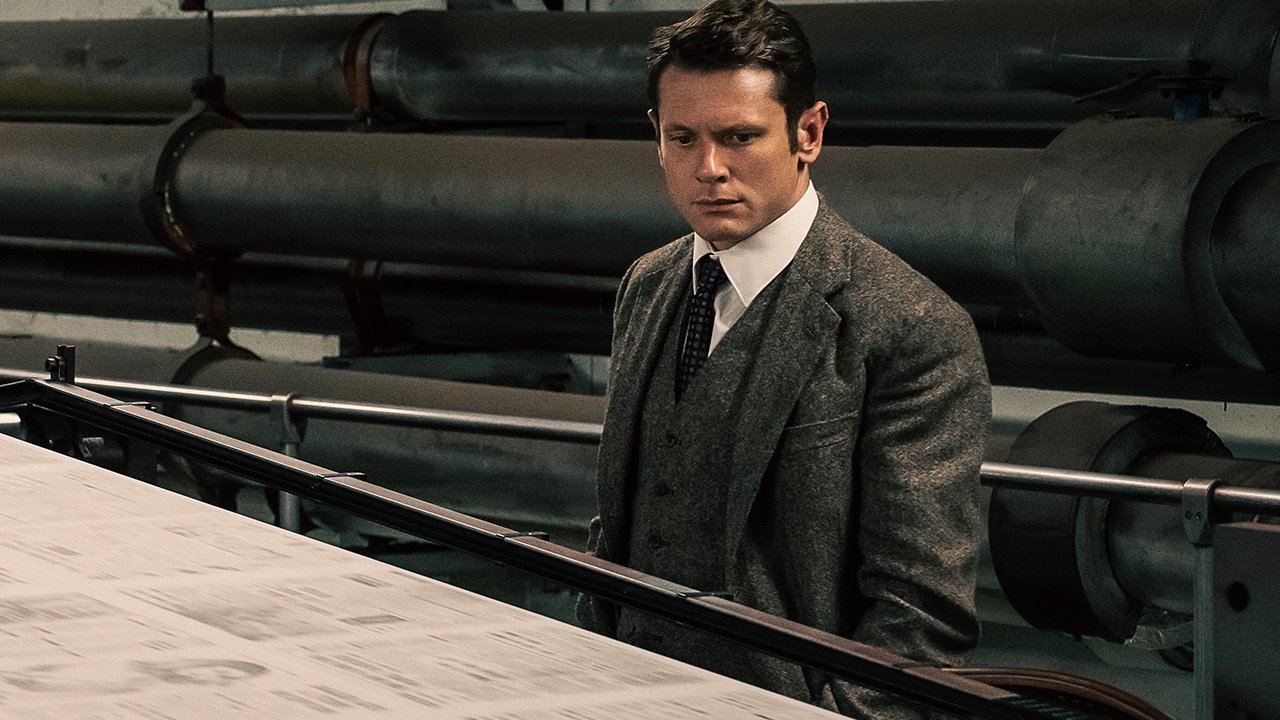
Danny Boyle is always a reliable source of cinematic delight. Boyle’s moving pictures are seriously moving. From 28 Years Later to Slumdog Millionaire all the way to his latest work, Ink, he once again finds a story well suited to his fast pace.
It’s an apt approach to its newest subjects, news tycoon Rupert Murdoch (Guy Pearce) and the man he chose to reinvent The Sun, Larry Lamb (Jack O’Connell), turning it into a successful newspaper that changed not just England but the world. The two start out as luxury underdogs of sorts. Murdoch is an Australian businessman who, in the face of xenophobia, wants to rule the newspaper game. He finds someone as hungry for success, if not more so, in Lamb.
Supervillain origin story
No story is too low for Lamb, who wants to cram the sun down the throats of even the most popular journalists. In the first chapter, he assembles an eccentric team of journalists to remake the news. Give people what they want. Make the news interesting. Coverage of sex, violence and scandal. Lamb wants it all, and gets it…at a cost mostly to the audience, not the other way around.
Ink is almost like a supervillain origin story. Through Boyle’s lens, and James Graham’s screenplay, adapted from a play, Lamb is the world’s arch-rival. He is unwavering in his pursuit of no. 1 on the charts, and O’Connell plays Lies with intense conviction. He lies to himself convincingly, all under the guise of some noble endeavor that he may or may not believe.
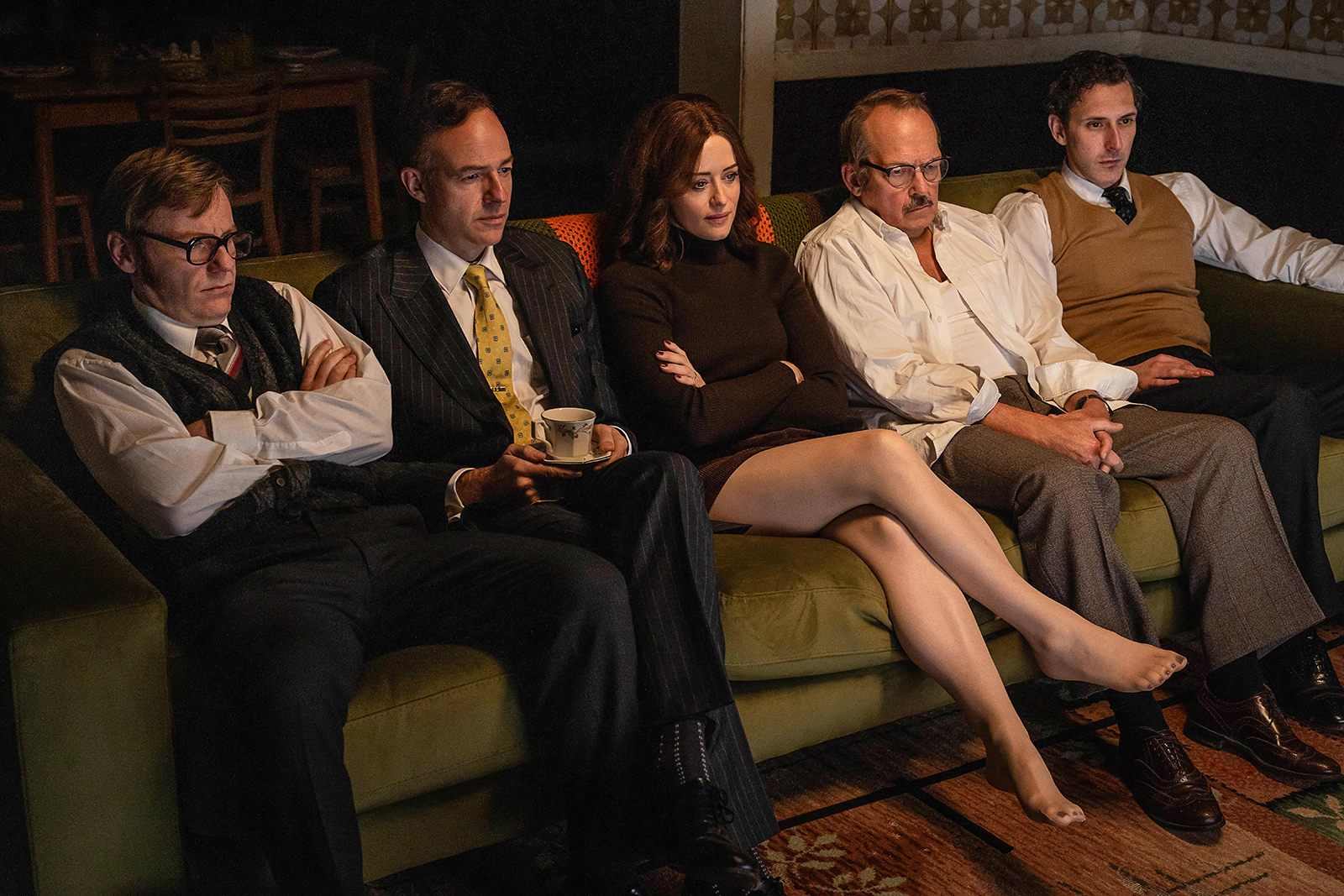
Image credit: Netflix
Punk rock ambition
Lamb makes a compelling con man to watch. As for the man at the top, Murdoch is played more as an enabler. He protested some choices in the newspaper’s editorial direction, but he never protested too strongly to break Lamb’s winning streak. The paper is not for the founder, but like Lamb, he wants everyone to read it.
Ink plays like a ruthless fight, only through paper and words. Here is where Boyle’s aggressive eye adds intense heat to the dangerous ambition of these two men. His punk rock style fits the suits oddly. Boyle understands the desire to see a vision and, early on, is drawn to the joy of creating one. He also understands powerful people who use vision not to inspire but to divide – he captures the horror when the camera work, the editing slows down, and he lets the audience watch these corruptible characters at an almost slow pace compared to the speed that came before. The ink eventually slows down, but not without a reason.
Strange error
Now, there’s a false note that Boyle makes, partly because it’s inappropriate for him and the story he’s telling. There are 30 seconds of AI in the movie. AI critics and allies here would likely agree that Margaret Thatcher’s AI is an uncanny valley of hell. It’s just a matter of (superfluous) seconds, but every second counts – especially in Boyle’s picture. Amnesty Thatcher has made a film as tangible as the newspapers printed by Lamb and Murdoch. Plus, he’s not just a punk like Boyle, a director who often attacks institutions in his films.
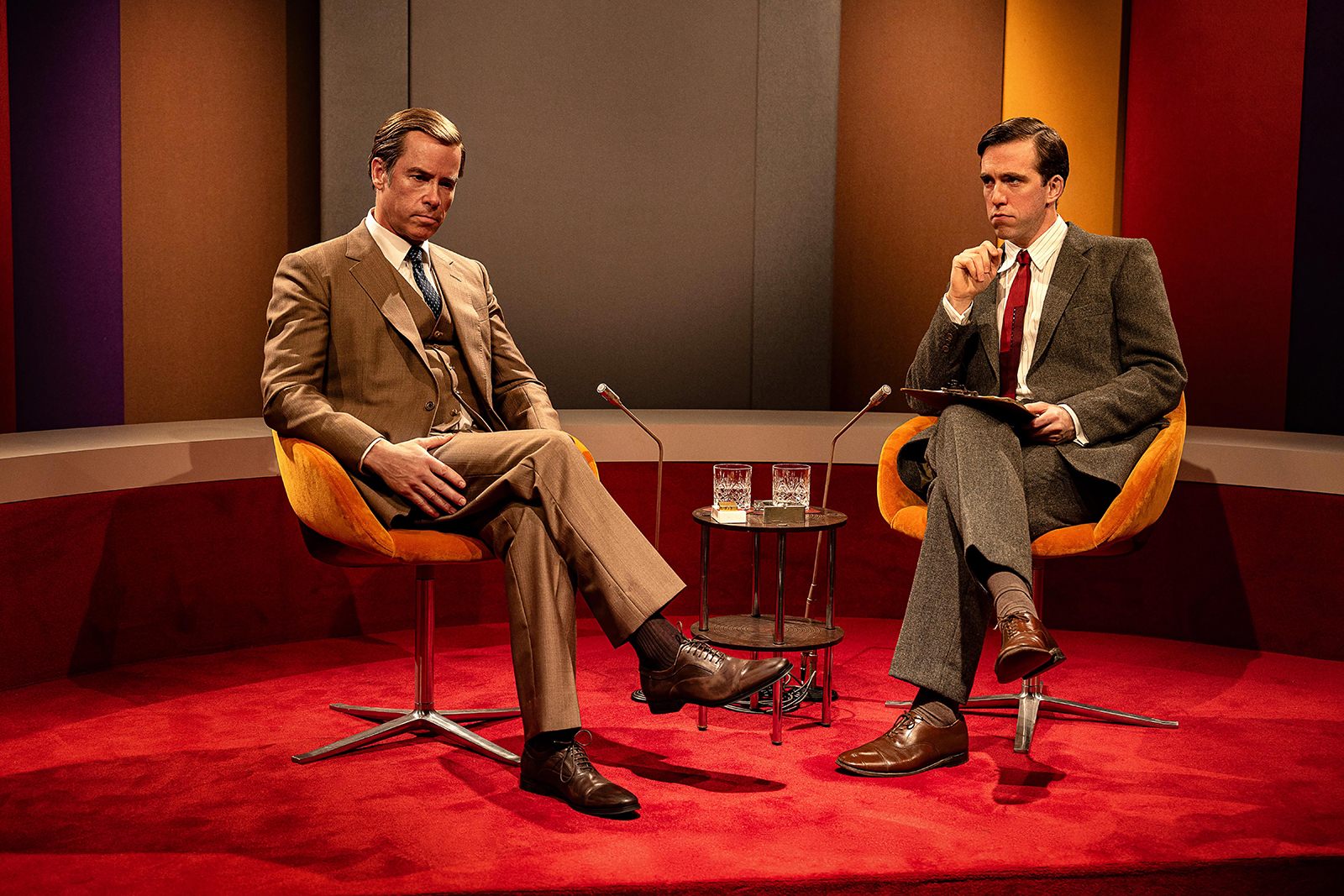
Image credit: Netflix
Huge human resources
The humans in front of and behind the camera do a tremendous job. Even the smallest roles in The Newsroom feel big, thanks to the stacked room of character actors. There is no doubt that Guy Pearce will also receive another Oscar nomination due to his reservations in playing the role of Rupert Murdoch. Piers Murdoch is an entertaining film, and in a very serious way. From the performances to the score to the lighting, Ink brims with life in a story about extremely deadly consequences.
Watch the ink if you want…
- Steve Jobs (A lively, dialogue-heavy biopic also by Boyle)
- scoop
- succession
- Social network
Judgment
He plays. A dynamic and pulsating dive into the birth of modern popular journalism. Aside from the brief and puzzling AI blunder, Danny Boyle delivers a visually pleasing drama anchored by strong and charming performances from Jack O’Connell and Guy Pearce. It’s a stylish, brutal media brawl and you won’t want to look away from it.