








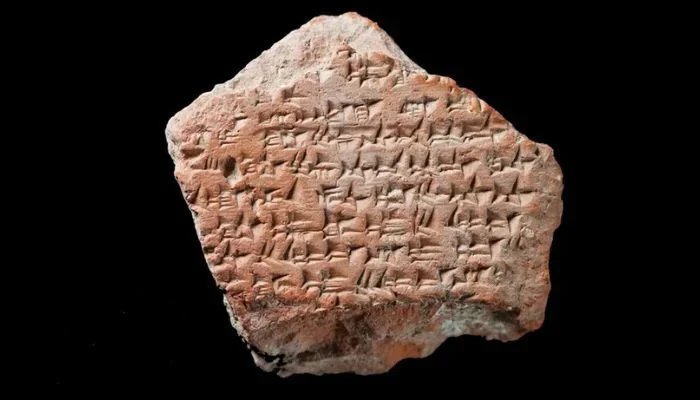
Archaeologists in Turkey have discovered a new fragment of the world’s oldest known peace treaty, some 3,400 years old, which includes provisions on refugees moving from one country to another.
This piece of clay tablet is part of the 13th century BC Treaty of Kadish between the ancient Egyptian pharaoh Ramses II and Hattusili III, the king of the kingdom.
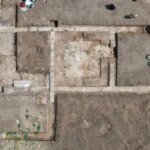
The fragment was even found in the former capital of the empire, Hattosha, located in present-day central Turkey, after researchers studied the fragment for nearly 1 year, confirming its original status in the treaty.
A portion of the available text contains rules regarding persons who escaped from Egypt even within the boundaries of the empire or even migrated from the territory to Egypt.
Under the agreement, such persons were to be returned, but they were protected from certain harsh punishments, the agreement prohibited the mutilation of their eyes, ears and other parts of the body, and the destruction of their homes and families.
This agreement was reached after years of war between two powerful empires of the ancient world.
Other fragments of this treaty have been discovered more than a century ago.
Archaeologists are continuing to excavate the site of Hatosha and hope to uncover more missing pieces of the treaty.