









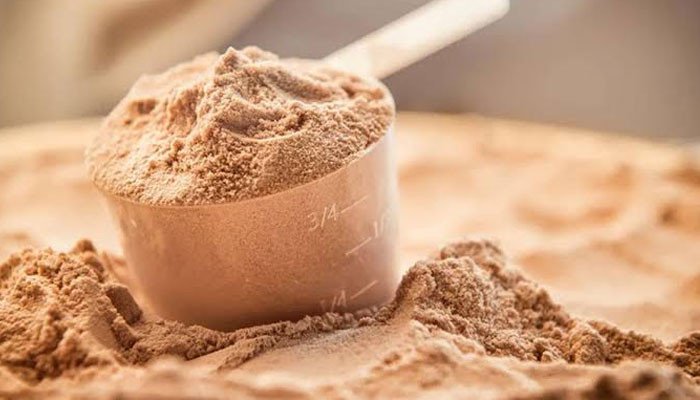
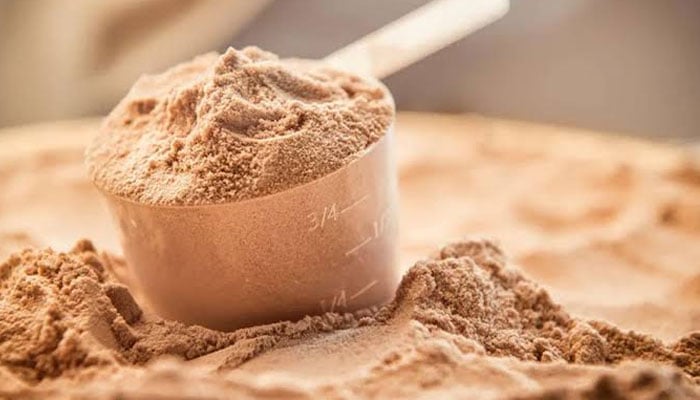
Protein powder is no longer limited to body builders, but common people are also using it for exercise, weight loss or to supplement the protein deficiency in their daily diet.
Experts say that the daily use of protein powder is beneficial for health, but it is very important to dispel many common misconceptions about it and use it carefully.
1. Does protein powder cause kidney damage in healthy people?
Experts say that there is no evidence of damage to the kidneys by taking the recommended amount of protein in healthy people, but people with pre-existing kidney disease should determine the amount of protein with the advice of a doctor.
2. Is protein powder just for athletes?
Protein powder is not only for athletes, protein is essential for body tissue repair, immunity, hormones and other important functions, it can also be used by the elderly, those recovering from illness and those who do not get enough protein from their diet.
3. Does protein intake cause women to gain weight?
Taking protein powder alone does not make women bulky, regular hard exercise and other factors are also necessary to build noticeable muscles.
Adequate amounts of protein support muscle strength and physical health.
4. Are all protein powders the same?
No! Apart from various protein powders derived from milk, powders made from pea, rice and other plant sources are also available.
They may vary in protein, fat, milk sugar and other ingredients, so be sure to check the ingredients when purchasing.
5. Is it necessary to take protein within 30 minutes of exercise?
According to experts, not consuming protein immediately after exercise does not negate the benefits, overall daily protein intake is more important, consuming protein 1 to 2 hours before or after exercise may be sufficient.
6. Can protein powder cause liver failure?
Consuming adequate amounts of protein in people with healthy livers has not been shown to cause liver damage, but liver disease patients should use foods and supplements under the supervision of a doctor, as substandard products may contain harmful or illegal ingredients.
7. Can protein powder replace whole foods?
The expert answer is no, natural foods like eggs, poultry, fish, lentils, cheese and soybeans provide protein along with fiber, vitamins, minerals and healthy fats.
Protein powders should only be used to supplement dietary deficiencies.
8. Does the more protein you eat, the faster you build muscle?
Eating too much protein does not build muscle quickly, the body only uses a limited amount of protein at a time to build muscle, excess protein can be converted to fat or excreted as energy in excess of the body’s needs.
9. Is plant protein powder ineffective?
Not so, say experts. Pea, rice, and other vegetable proteins are combined to produce powders that may contain adequate amounts of essential amino acids.
10. Do all protein powders contain dangerous chemicals?
Not all products are the same, substandard powders may carry the risk of heavy metals or other harmful contaminants, so choose products that have been independently tested for quality and purity.
Experts say that healthy people can use protein powder as needed with a balanced diet, but it should not be a complete substitute for natural food.
Be sure to check the ingredients and amount of added sugars before purchasing, and consult a doctor or nutritionist in case of any illness.
Note: This is an informative article, consult a doctor for diagnosis and treatment of any of your ailments.