









The powerful El Nino weather system in the Pacific Ocean is now turning into a ‘Super El Nino’ and is changing the weather around the world.
United Nations Secretary General Antonio Guterres says that the weather system ‘El Nino’ is intensifying to an extraordinary extent before our eyes, the planet is facing an unprecedented and unprecedented situation and these conditions are intensifying.
The weather system ‘El Nino’, which occurs every 2 to 7 years, causes an increase in the temperature of ocean waters in the central and eastern Pacific Ocean.
This year’s ‘El Nino’ began to form in June with a rise in water surface temperatures of more than 2 degrees Celsius.
This weather system has an average lifespan of one and a half years or 18 months, the latest is that this weather system has now turned into a powerful ‘Super El Niño’.
The weather system is expected to peak in early 2027 and is expected to be one of the strongest ‘El Nino’ ever recorded.
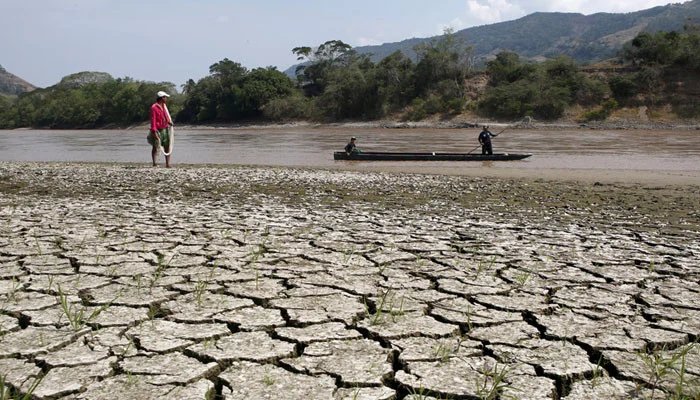
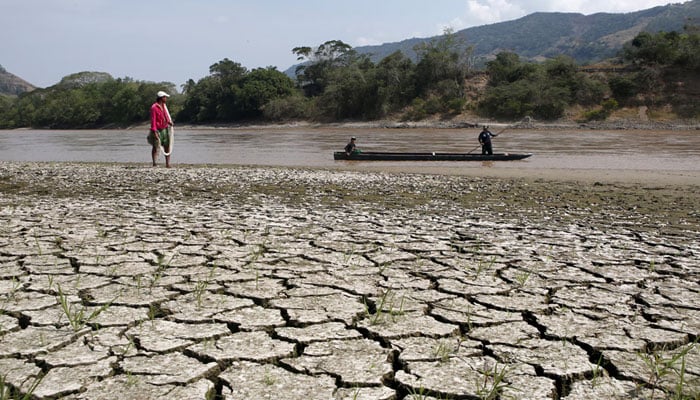
According to the US Department of Meteorology, under this ‘Super El Nino’, on the one hand, there may be very heavy rains in East Africa and South America, while on the other hand, there is a fear of severe drought in South Asia, Southeast Asia, Australia and South Africa due to the same weather system.
Due to this El Nino, the temperature of the whole world is showing an increasing trend.
According to meteorologists, there is a more than 90 percent chance of above-normal rainfall in southern Ethiopia, central and southern Somalia and northeastern Kenya this year due to El Nino.
It is estimated that these rains can be up to 70 percent of the region’s annual rainfall, which means that the rains can also cause large-scale flooding.
Similarly, Ecuador, northern Peru, southern Brazil, Uruguay and northeastern Argentina are expected to receive heavy rainfall under this weather system.
El Nino usually causes dry weather in South Asia, Southeast Asia, Australia and South Africa.
In India and Pakistan this year, due to ‘El Nino’, the summer monsoon rains have been less than expected.
According to the Indian Meteorological Department, the rainfall between June 1 and September 9 has been 15% less than the average rainfall in India.
‘El Nino’ is believed to be responsible for the dry weather and forest fires in Indonesia this year, with more than 5,000 forest fires recorded in Indonesia by the end of July.
In Australia too, below average rains are predicted in the southern and eastern regions, while the temperature rises and the risk of forest fires is increasing.
El Nino brings more rains, some floods and some droughts.
The World Food Program has warned that El Nino could push at least 49 million more people to hunger by the time it ends in 2027, meaning the total number of people affected by hunger in 45 countries could rise from 225 million to 274 million.
According to the Food and Agriculture Organization of the United Nations, corn, rice and other rain-fed crops are most at risk from El Niño.
Drought conditions threaten crops from South Africa to South and Southeast Asia.
The El Nino weather system typically warms the entire planet.The World Meteorological Organization predicts that temperatures will be above normal nearly everywhere in the world from September to November, with an 86 percent chance that a year between now and 2030 will surpass 2024 as the hottest year on record.
Meteorologists estimate that the next year i.e. 2027 may prove to be a record breaking year.
El Nino’s main influence on winter in North America is through the ‘jet stream’, high-speed winds that move at high altitudes that determine the direction of storms.
American meteorologists say that El Nino also leads to a decrease in snowfall.
Referring to the UK, the British Meteorological Department is predicting more rain and stormy conditions in North West Europe this autumn and early winter.
Experts say that these are only estimates about the impact of El Nino and the impact of El Nino can vary from year to year as no two El Niños are necessarily the same.