









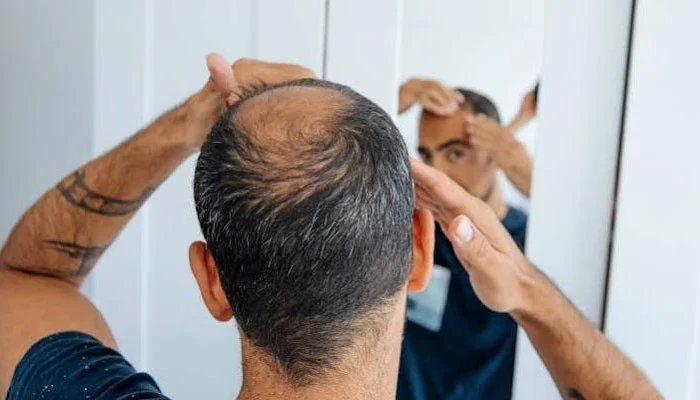
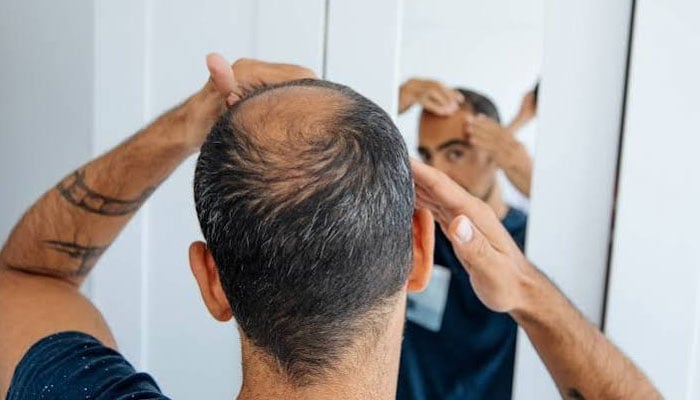
A new study has identified a possible link between GLP-1 drugs used to treat obesity and type 2 diabetes and hair loss.
Researchers at New York University’s Grossman School of Medicine examined a possible link between GLP1 drugs and male pattern baldness.
The study, published in the Journal of Investigative Dermatology, notes that some patients have previously complained of hair loss while using the drugs, but strong scientific evidence to support the link has been limited, according to the researchers.
Identification of possible genetic link in research
For the new study, the scientists used a genetic analysis method to evaluate the potential effects of GLP1 drugs.
The results of the study showed that in men who were already genetically predisposed to hair loss, the risk of hair loss increased to more than 7% after using GLP1 drugs.
The study’s senior researcher and geneticist said the study provides the first evidence of a genetic link between GLP1 drugs and hair loss.
The researchers make it clear that this does not mean that everyone who takes GLP1 drugs will experience hair loss.
Emphasis on the need for further research
According to the researchers, the findings only indicate a possible connection, but do not prove that GLP1 drugs directly cause hair loss.
More studies are needed to better understand this connection, he said, adding that further research could help determine whether the drugs themselves contribute to hair loss or whether other factors associated with their use may be causing it.
GLP-1 drugs, including Wegovy and Ozempic, for the treatment of type 2 diabetes and weight loss have continued to grow in popularity, and their potential side effects are also the focus of increasing scientific research and medical attention.
Note: This article is published for the information of readers, follow your physician’s advice on health related matters.