









[ad_1]
Ansar Abbasi
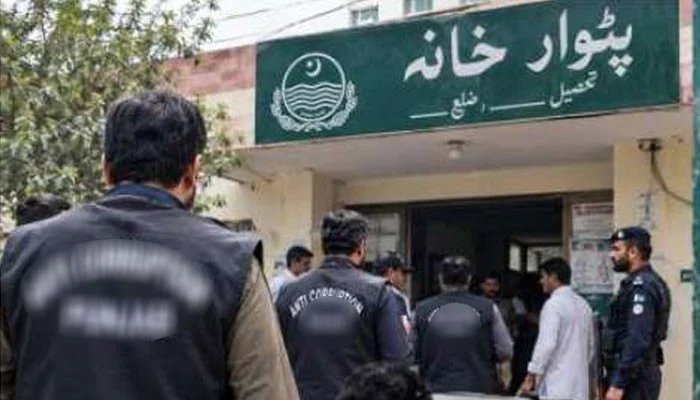
ISLAMABAD… The Punjab government has transferred more than 3,000 patwaris in recent days in the biggest administrative shake-up ever in the revenue administration at the grassroots level. According to official sources, the move is part of a broader drive to curb corruption and improve governance. Large-scale patwari exchanges are important because, although patwaris occupy relatively low-grade positions in the official hierarchy, they have significant influence over the day-to-day affairs of the revenue system, particularly in matters relating to land records, deeds, title deeds and other revenue services. Exchanges of patwaris have traditionally been a sensitive administrative matter as they have direct contact with landowners, property dealers and other concerned parties and play a vital role in the functioning of the district revenue machinery. Therefore, the scale of the recent initiative can be described as a major action by the Maryam Nawaz government in the matter of provincial revenue administration. According to the data provided by official sources, as a result of the anti-corruption campaign, action has also been taken against officials of many other departments. Under the campaign, 764 police officers, 179 officers of the Food Department, 41 officers of the Board of Revenue, 50 officers of the Excise Department, 10 officers of the Communications and Construction Department and 5 officers of the Housing Department have been transferred or action taken against them. According to the data provided by the provincial government, anti-corruption establishment also conducted raids, in which action was taken against 176 officials. It has been claimed that as a result of the government’s action in the Department of Minerals and Mineral Resources, Rs 42 billion has been recovered (recovery) within a year after taking measures against alleged system manipulation. However, the figure of Rs 42 billion requires clarification as to how much money was actually received, how much money was saved from loss and what was the nature of the alleged diversion. This crackdown is part of the policy announced by Chief Minister Maryam Nawaz, which aims to deal with corruption and improve the efficiency of government departments. In a recent statement, he reiterated his government’s commitment to eliminate corrupt elements from government departments. The Punjab government’s action against thousands of patwaris may have effects beyond the usual exchanges. The Finance Department is an important department of the provincial administration with direct contact with citizens, while delays or alleged irregularities in land matters have been a major cause of public grievances in the past. So the success of this shake-up will not be judged simply by how many personnel are transferred, but whether it results in faster disposal of land cases, better maintenance of land records and reduction in complaints of corruption. The Punjab government’s data also shows that its anti-corruption campaign is being extended beyond the revenue administration to various departments, from the police and food department to excise, communications and construction, housing and minerals and mineral resources. However, large-scale patwari exchanges are significant because the number of officials involved in a single administrative initiative is unusually high. It also shows an attempt to deal with corruption and administrative influence at the lowest operational level of the revenue system where government officials are in direct contact with citizens dealing with land and property matters.
[ad_2]