









Talk: Nida Sakina Siddiqui
There are many diseases around the world about which less people know and the number of patients of these diseases is also equal to salt in flour. Various doctors are researching these diseases and providing awareness to people about them. He has a genetic disorder called Mandibuloacral Dysplasia.
This disease is caused by a mutation in the gene called Leman A and causes children to become old at a young age. What is this disease? How and why does it happen? To find out the answers to these questions, we spoke to Arshad Padhiar, a doctor based in the US and researching the disease. The details of what he told us about this is up to the reader.
Q: First of all tell us about your education and family in detail.
A: Early education received at home. He joined a private school in Karachi from the 4th grade and graduated from the same, then entered pre-medical from Delhi College. I was interested in the medical field since I was 55 because my father and other family members were related to medicine. When I read about genetics in Inter, I got interested in it, so I decided to do my masters in it.
There is a department in Karachi University from which Masters in Genetics is done but for that you need to be an undergraduate in any field of biological sciences.
Graduated from Karachi University in Microbiology, followed by Masters in Genetics. Later served as Research Officer in Pediatrics Department in a private university. Meanwhile, I went to China for a PhD on a scholarship.
Q: What is mandibuloacral dysplasia and how does it occur?
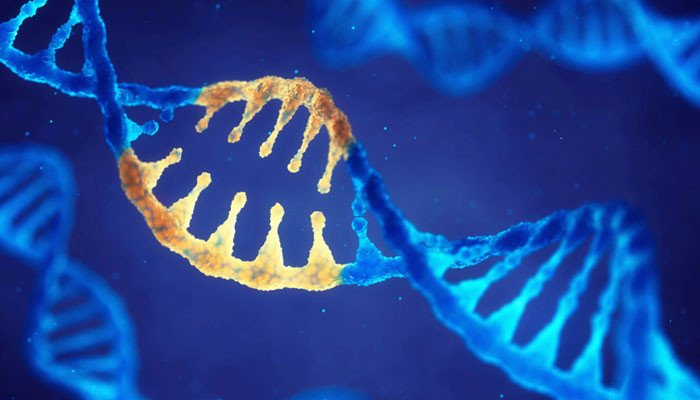
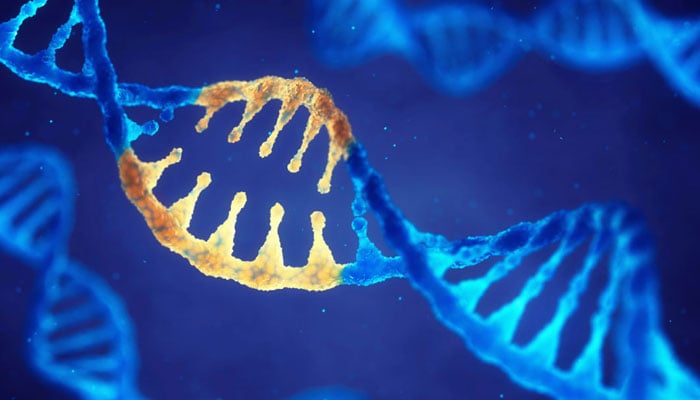
A: It is a very rare genetic disease that affects very few people worldwide. The genetic system of the human body consists of DNA, which stores billions of instructions through four basic letters (bases), just as countless words and sentences can be made from a few letters.
In this disease, there is a mutation in the gene called Lamin A, due to which the cells of the body cannot function properly. As a result, the child starts to look old at an early age, bones become weak, body fat decreases, teeth erupt abnormally and heart diseases can also occur.
Interestingly, the disease does not affect the brain as much, because the Lamin A gene in the brain is usually switched off, allowing the cells there to function better. However, the life expectancy of these patients is usually limited to a few years due to accelerated aging in other parts of the body.
Q: Tell us about the research you have done regarding this disease.
A: The research began when some patients came to the hospital with symptoms commonly seen in age-related diseases. Based on this, the hospital conducted genetic testing and sequencing, during which a mutation in the Lamin A gene was identified.
There was no effective treatment for this particular mutation at the time, so the hospital approached our department of regenerative medicine and asked us to start researching it.
I led the research, obtaining blood cells from patients and then reprogramming these cells into different types of cells through reverse engineering, i.e. induced pluripotent stem cell (iPSC) technology, to better understand the disease.
Along with this, we also developed models of the same mutation using CRISPR gene editing technology and tried to correct it. During the research we studied various cellular models and biological processes, including different cell types (such as fibroblasts, mesenchymal stem cells and neural cells), cell differentiation such as osteogenesis and adipogenesis, and epigenetic changes and immune pathways.
The research revealed that the immune systems of these children age abnormally quickly due to dysfunction at the cellular level, particularly mitochondria, and a specific immune pathway, with effects throughout the body. Based on this, we not only better understood the mechanisms of the disease, but also identified the direction of possible therapeutic strategies in the future.
Q: How different is the rate of this disease in Pakistan and America?
A: 7 to 8 cases are reported in Pakistan while 40 to 50 cases are reported in America. About one in 10 million live births is of a child with this disease. Around the world, three to four hundred children are suffering from this disease. In Pakistan, it is treated palliatively.
Q: How are patients being treated if there is no approved treatment for this disease?
A: In this regard, we have adopted the method of drug repurposing, that is, the use of drugs that are already approved and used for other diseases. Because it is a rare disease, getting a new drug approved after thorough clinical trials is a long and difficult process. That is why we used one of the approved drugs in this disease.
Q: Has this medicine reduced the rate of this disease?
A: According to doctors, after the use of this medicine, the highly active immune system of children suffering from this disease has improved, which is very welcome. Now it is to see how much the amount of medicine has increased their survival rate and how much the symptoms have decreased.
Q: Is there no formal treatment for mandibuloacral dysplasia?
A: Developing a drug for any disease takes time, as their clinical trials take years. So we tested existing immune system drugs, one of them showed very good results in cells, recommended that drug to doctors, its use will slow down the aging process of these children and also improve the immune system.
Now this medicine is being used in many hospitals. Which child should be given medicine for how long is decided according to the child’s condition. Earlier, palliative treatment was done, which gave temporary relief to the sick children.
Q: What do you think causes this disease?
A: It is a genetically bound disease, when a mutation occurs in a gene, children are prone to the disease and the rate will not decrease until the gene is corrected.
Q: Is this disease congenital or acquired at a certain age?
A: It is present at birth but symptoms of this disease appear a few years after birth.
Q: What do you feel is the difference between the way of treatment in Pakistan and America?
A: The main difference between treatment in Pakistan and the US is that routine medical services, such as common illnesses or emergency cases, are dealt with relatively quickly in Pakistan because the paperwork and insurance system is less complicated.
Whereas in the US, the appointment and treatment process is delayed due to documentation requirements. But in specific diseases, such as cancer or genetic diseases, the US is far ahead. There, based on advanced diagnostics, genomic sequencing and new research, doctors provide better guidance and patients get more effective and diverse treatment options. That is, basic medical facilities are readily and easily available in Pakistan, while modern and research-based treatments for complex diseases are much better in the US.
Q: One of your researches is on immune related diseases and fibrosis, tell us something about it?
A: Fibrosis is actually a disease that usually appears more with age, in which more scar is formed in the tissues of the body and this process is usually irreversible. Research also suggests that a large proportion of many chronic diseases and deaths are related to fibrosis, especially in the elderly.
My research aims to understand how fibrosis can be reversed. For this we are working on a model organism, the Three-Spined Stickleback fish, which is found in British Columbia, Canada and Alaska, USA.
Interestingly, in some of its populations, the fibrosus naturally disappears. We are trying to understand this mechanism so that in the future this knowledge can be applied to humans to enable better treatment of diseases like fibrosis.
Q: How can Pakistan advance in biotechnology and regenerative medicine, and what are the barriers to adoption of innovative treatments?
A: Pakistan can grow in biotechnology and regenerative medicine by first providing strong funding for research as well as promoting R&D-based industries and biotech start-ups. This will provide an opportunity to bring academic research to a practical or applied level (translational level) and create employment opportunities for students in the industry instead of being limited to academic institutions only.
On the other hand, Pakistan has not yet been able to fully adopt modern treatment methods because our education system is not strong along with funding. Many students come in botany, zoology or other scientific fields just to get a degree, while most students in the US come with a genuine interest in those fields.
For this reason, the culture of research and innovation here cannot develop to this extent. There is a need to foster curiosity and scientific thinking right from basic education so that quality research and adoption of new technologies are possible in the future.
Q: What is the future of stem cells in Pakistan?
A: The future of Pakistan in the field of stem cells looks quite bright. Stem cell therapy may lead to significant improvements in the treatment of cancer, immune system diseases, and neurodegenerative diseases such as Alzheimer’s and Parkinson’s in the future.
However, there is also a possibility that some unregistered or unauthorized clinics may start providing stem cell therapies, so the public should be aware that they should only opt for treatments that are approved by the relevant bodies.
Awareness, innovative research and adequate funding are essential to advance this sector in Pakistan. If these aspects are addressed, Pakistan can make significant progress in regenerative medicine and biotechnology.