









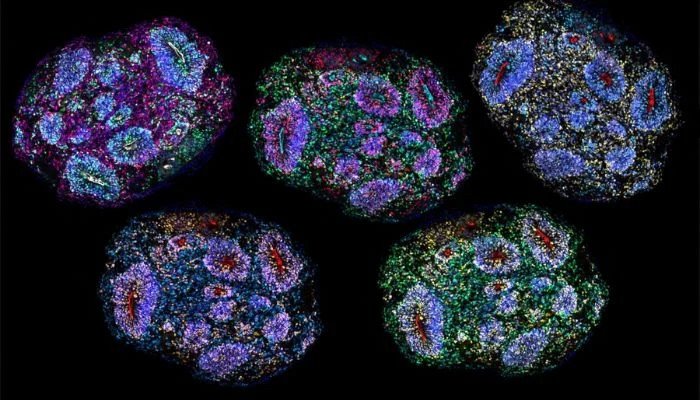
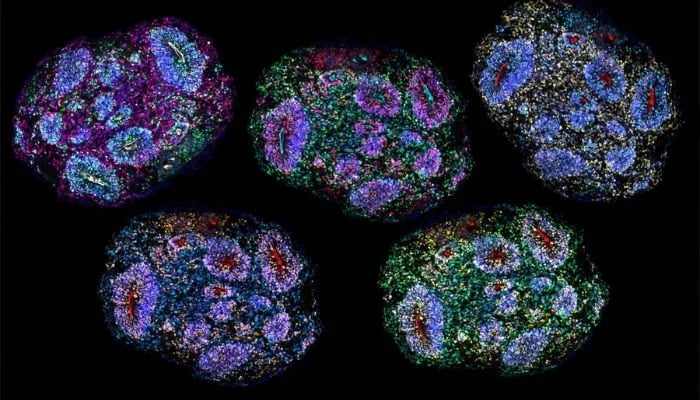
Scientists have succeeded in keeping structures as small as the human brain alive and growing in the laboratory for many years, with some experimental structures now living up to 7 years.
These structures are called brain organoids, which are small collections of human brain cells developed from stem cells. These are not complete human brains, but simple models of them, which allow scientists to study stages of brain development that are difficult to observe directly.
A team led by Harvard University stem cell researcher Paula Arlotta studied 34 brain organoids and analyzed their RNA at intervals over 5 years.
The research showed that these cells continued to change and mature as they lived in the laboratory for such a long time, while their developmental cycle closely resembled the development of the early human brain.
According to scientists, these cells also maintained a kind of biological record of their development. Genetic markers of aging were consistent with the length of time organoids were cultured in the laboratory.
According to Paula Arlotta, research has shown that it is not only possible to keep these organoids alive in the laboratory, but they can also continuously change, grow and mature.
Scientists say the breakthrough will allow long-term observation of human brain cells to study neurological diseases and test potential treatments.
Previously, the short lifespan of brain organoids was a major obstacle to research. In a study in 2021, a record of maintaining such organoids for 694 days was revealed.
According to the researchers, some of their organoids have now reached 7 years of age, but older specimens grown for longer periods become progressively more fragile.
Scientists are now trying to figure out whether the same stages of brain development can be reproduced more rapidly in the future, a process Paula Arlotta likens to a biological ‘time warp’.